
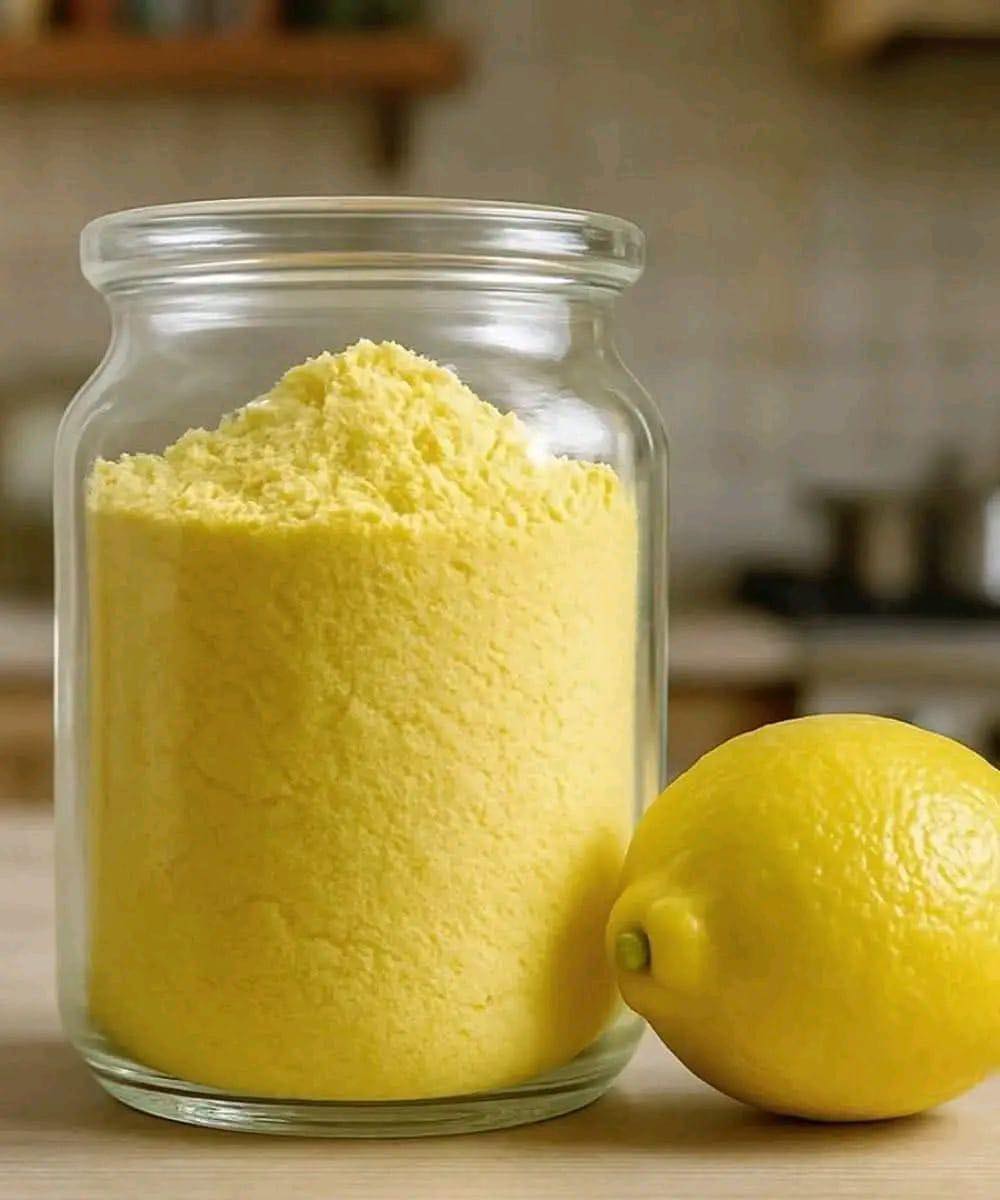
lemon powder recipe home made, benefits of lemon powder for desserts, how to make lemon peel powder at home, citrus seasoning powder for baking, homemade lemon zest powder uses, DIY lemon powder for savory dishes, lemon powder pantry staple, lemon powder health benefits antioxidant, making lemon powder from fresh lemons, lemon powder shelf life storage.
Making lemon powder is very easy: just a pinch is enough to enhance your desserts and dishes
Making lemon powder at home is simpler than you might think, and once you have a little jar ready in your pantry you’ll find countless ways to use it — from sweet treats to savoury dishes. Whether you’re looking for that bright citrus kick in a cake, a marinade, a salad, or even a beverage, a small amount of lemon powder can go a long way. Below you’ll find everything you need: the why‑it‑works, the how‑to, tips for storage, recipe ideas, and variations to experiment with.
Why make lemon powder
Lemon powder is essentially dried and ground lemon peel (or sometimes whole lemon that’s been dried) turned into a fine powder. It captures the vibrant citrus flavour in a concentrated form and is extremely versatile. Because you’re drying and grinding the peel (or zest) you capture much of the aromatic oils and zestiness without the mess that comes from using fresh lemon every time.
Using lemon powder means you don’t have to worry about juice running off the chopping board, sticky hands from zesting, or needing fresh lemons at all times. For example, one article explains that lemon powder “delivers the same tangy taste you get from fresh lemon juice” while avoiding the hassle of slicing and juicing.
Also, lemon peels are packed with beneficial compounds: for instance the peel contains d‑limonene (an antioxidant compound) and other flavanones and polymethoxylated flavones. By using the peel for powder you’re making use of an often‑discarded part of the fruit.
What you’ll need
To make lemon powder you’ll need some basic equipment and ingredients:
Ingredients:
Fresh lemons (preferably organic if you can, since you’ll be using the outer peel)
If desired: a pinch of salt or sugar (depending on whether you’re making a version for savoury vs sweet)
Equipment:
A vegetable peeler or sharp knife
Baking sheet (or dehydrator trays)
Oven or food dehydrator (or in some cases an air‑fryer in a very low setting)
Spice grinder, coffee grinder, food processor or high‑speed blender
Airtight glass jar or container for storage
Step‑by‑step: How to make lemon powder
Here’s a detailed guide you can follow to make your own lemon powder:
Wash and dry lemons: Clean the lemons under warm water, scrub any wax or residue off the skin if needed, then pat them dry.
Peel or zest: Remove the peel of the lemons. You want to get the yellow outer skin (zest) and avoid as much of the white pith (the underside layer) as possible because the pith can be bitter.
Prepare for drying: You can slice the peels into small strips or pieces to help them dry more evenly. Some instructions suggest cutting into small cubes or strips to help the process.
Dry the peels: Choose one of the drying methods:
Oven method: Pre‑heat your oven to a low temperature (for example around 50‑60 °C / 120‑140 °F) and arrange the peels in a single layer on a baking sheet. Dry for 2‑3 hours (or longer depending on thickness) until the peels are completely crisp.
Dehydrator method: Set your dehydrator to around ~50‑60 °C (or ~120‑140 °F) and dry for 6‑10 hours (or longer) until the peel is fully dry and brittle.
Air‑fryer method: Some sources describe using an air‑fryer set to ~70 °C (160 °F) for 15‑20 minutes for a small batch.
The key is that the peels must be completely dry and brittle — if there is moisture left the powder will clump or spoil.
Cool the dried peels: Once dry, allow them to cool fully. Cooling is important because heat plus moisture in a sealed environment can lead to spoilage.
Grind into powder: Place the cooled dried peels into your spice grinder or blender in batches. Pulse until you get a fine powder. It’s a good idea to use a sieve afterwards to remove any larger bits that didn’t grind fully. Then you can return the bits to the grinder for a second pass if needed.
Store properly: Transfer the finished powder into an airtight glass jar or container. Store in a cool, dry, dark place away from sunlight or heat. When stored correctly the powder can last up to 6 months to a year, depending on conditions and how well dried the peels were.
Tips for success & mistakes to avoid
Make sure the peel is completely dry. If any flecks feel soft or pliable the drying isn’t finished. Moisture will lead to spoilage or clumping.
Avoid the white pith as much as possible — it adds bitterness and can affect the flavour negatively.
Cut your peel pieces as uniformly as possible so they dry evenly. Some sources recommend using a mandoline slicer or sharp knife set to ~4 mm thickness.
Don’t use too many lemons at once (in one batch) if you don’t have enough drying capacity; crowding slows drying.
Label your container with the date. Even a homemade product like this will gradually lose its aromatic oils and flavour intensity.
When using a home oven, you might need to prop the oven door slightly open to allow moisture to escape — some DIY guides mention doing that.
How to use lemon powder in desserts and dishes
Once you’ve made the powder, here are some ideas and guidelines for using it:
Because this is a concentrated form of lemon flavour, you will need only a small amount. One source states: 1 teaspoon of lemon powder is equivalent in flavour to ~1 tablespoon of fresh zest.
Sprinkle a pinch over baked goods: muffins, cakes, cookies, cheesecakes. It infuses citrus flavour without adding moisture (which fresh juice/zest might).
Stir into dry mixes: pancake batter, cookie dough, granola, or muffins.
Use in icing or buttercream: mix a little into your frosting for a bright, clean lemon flavour.
Season savoury dishes: dust fish, chicken, or veggies with a little lemon powder + salt/pepper. Works especially well for breads, roasted vegetables, or seafood.
Add to beverages: stir into hot tea, iced tea, smoothies, lemonades, or even cocktails.
Make citrus‑salt or citrus‑sugar blends: mix the powder with sea salt or granulated sugar to create a lemon salt or lemon sugar that can rim cocktail glasses, garnish desserts, or season savory dishes.
For salad dressings and marinades: because it’s dry it mixes well with oil/vinegar without adding extra liquid.
For pantry convenience: When fresh lemons aren’t available, this powder is a reliable backup.
Health & flavor benefits
Because you are using peel, you capture much of the flavour oils and aromatic compounds of lemons. Lemon peels contain antioxidants, flavonoids, and other health‑supportive compounds — for example one batch analysis noted that a heaped teaspoon of dried lemon peel powder contained approx 35 mg vitamin C, 4 mg magnesium, 43.6 mg potassium, 36.4 mg calcium.
Also, from a flavour perspective, lemon powder adds a bright citrus punch without the moisture that fresh juice might bring. This means you can impart lemon flavour in baked goods without altering the moisture ratio significantly.
Storage & shelf life
Store the powder in a dry, dark, and cool place, in an airtight container. Glass jars are preferable because they don’t absorb odours and they shield against moisture better than plastic in many cases.
When properly dried and stored, you can expect the powder to retain good flavour for up to 6 months to a year depending on how carefully the drying and storage were managed. One source mentions that homemade lemon powder “can last up to 12 months” if stored correctly.
Be mindful: once the aromatic oils begin to fade, the citrus flavour will be less intense. So if you store it for long periods, you may need to use slightly more to achieve the same flavour punch as when it was freshly made.
Variations & creative ideas
Use whole lemon slices (including zest and a little pith) instead of just peel for a slightly different flavour profile (though you may get more bitterness).
Create citrus powder blends: mix lemon powder with lime or orange powder for a multi‑citrus seasoning.
Make a sweet version: add a little sugar to the powder to make a lemon‑sugar blend, great for desserts.
Make a savory version: mix lemon powder with ground pepper, salt, herbs (like thyme or rosemary) to create a lemon pepper or citrus seasoning rub.
Try freeze‑drying if you have the equipment: some creators use freeze‑dryers to preserve maximum aroma and flavour.
Use the powdered peel for non‑culinary uses: some people add it to homemade cleaning mixtures, bath salts, or DIY beauty scrubs thanks to the aromatic oils in the peel.
Common questions
Q: Can I use bottled lemon juice or concentrate instead of fresh lemons?
A: For the freshest flavour in powder form you will want to use fresh lemons (especially the peel) and avoid bottled juice — bottled juice lacks the peel and zest oils that give the maximum aroma. Also you need a drying process not just juicing.
Q: Should I remove the white pith entirely?
A: Yes, you should remove as much of the white pith as you can because it tends to add bitterness. Many guides stress avoiding the pith.
Q: How fine should the powder be?
A: Ideally very fine — use a spice grinder or coffee grinder. After the first grind you can sieve and return scraps for a second grind to ensure a consistent fine texture.
Q: What if I only have regular lemons (not organic) with wax?
A: If they are wax coated you’ll want to scrub thoroughly under warm water (with a brush) to remove as much wax/residue as possible since you’re using the peel. Using organic is preferable when you can.
Q: Can I use this powder in place of lemon zest or juice?
A: Yes — for many applications you can substitute a small amount of powder for fresh zest or juice. Keep in mind flavour intensity: for example 1 teaspoon powder might equal 1 tablespoon zest.
Example recipe: Lemon Powder for Your Pantry
Here’s a simple version you can follow:
Ingredients:
5‑10 fresh lemons (organic used, if available)
Optional: ¼ teaspoon salt (if you want a savoury version) or 1 tablespoon granulated sugar (for sweet version)
Instructions:
continued on next page
